Click to deep-zoom
Sweet Cider, Cary, 1890
An ox cart brings the apples home.
What
A print, Sweet Cider, 1890, whose Library of Congress shelflist card names the illustrator W. M. Cary; Library of Congress, LCCN 2003670624.
Why
The title names the drink, and the picture shows the country it came from.
Notice
Two oxen pull the cart down a rutted country road, past an orchard and a farmhouse.
“The country drink, before the argument about it.”
Format
The full-resolution, color-managed file — restored honestly, yours to print and keep.
Sized to protect print quality — this scan supports sizes up to 27x41" cleanly.
Size
$29.00
Provenance
The Lost — mark extinguished- Artist
- W. M. Cary
- Country
- United States
- Format
- Other
- Piece published
- "Sweet cider" LCCN2003670624, 1890
- Source
- Library of Congress · LCCN 2003670624
Scan: Library of Congress, Prints and Photographs Division; public domain. Hosted on Wikimedia Commons.
Rights: CLEAR. Public domain — U.S. 95-year rule (piece published 1930 or earlier). Gated by the piece’s own publication year, never a brand’s founding year. Cleared by registry on 2026-11-02. Published 1890, before the 1930 cutoff; maker W. M. Cary; Commons reads Public domain with {{LOC-image}} {{PD-1923}} {{PD-Layout}} {{PD-US-expired}} {{PD-US-expired-text}} {{SDC-PD-US}}. Mark status dead is the registrar's reading of an old mark; no trademark search was run, so confirm before launch.
This brand was no longer in the market. Everything sold here is the art, not the drink.
From The Dry Years
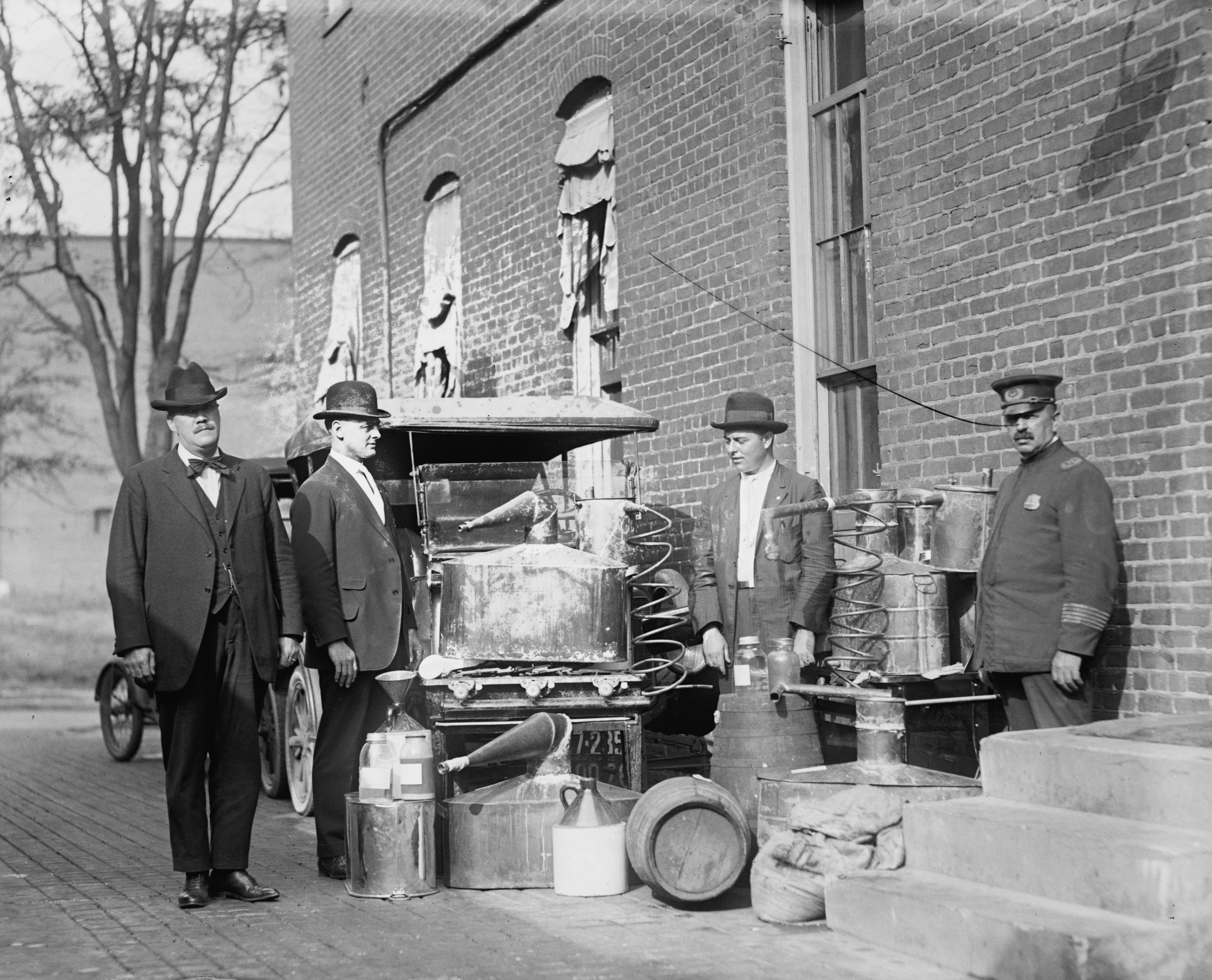 The Lost — mark extinguished
Confiscated Still, 1922
Confiscated still — National Photo Company press photograph
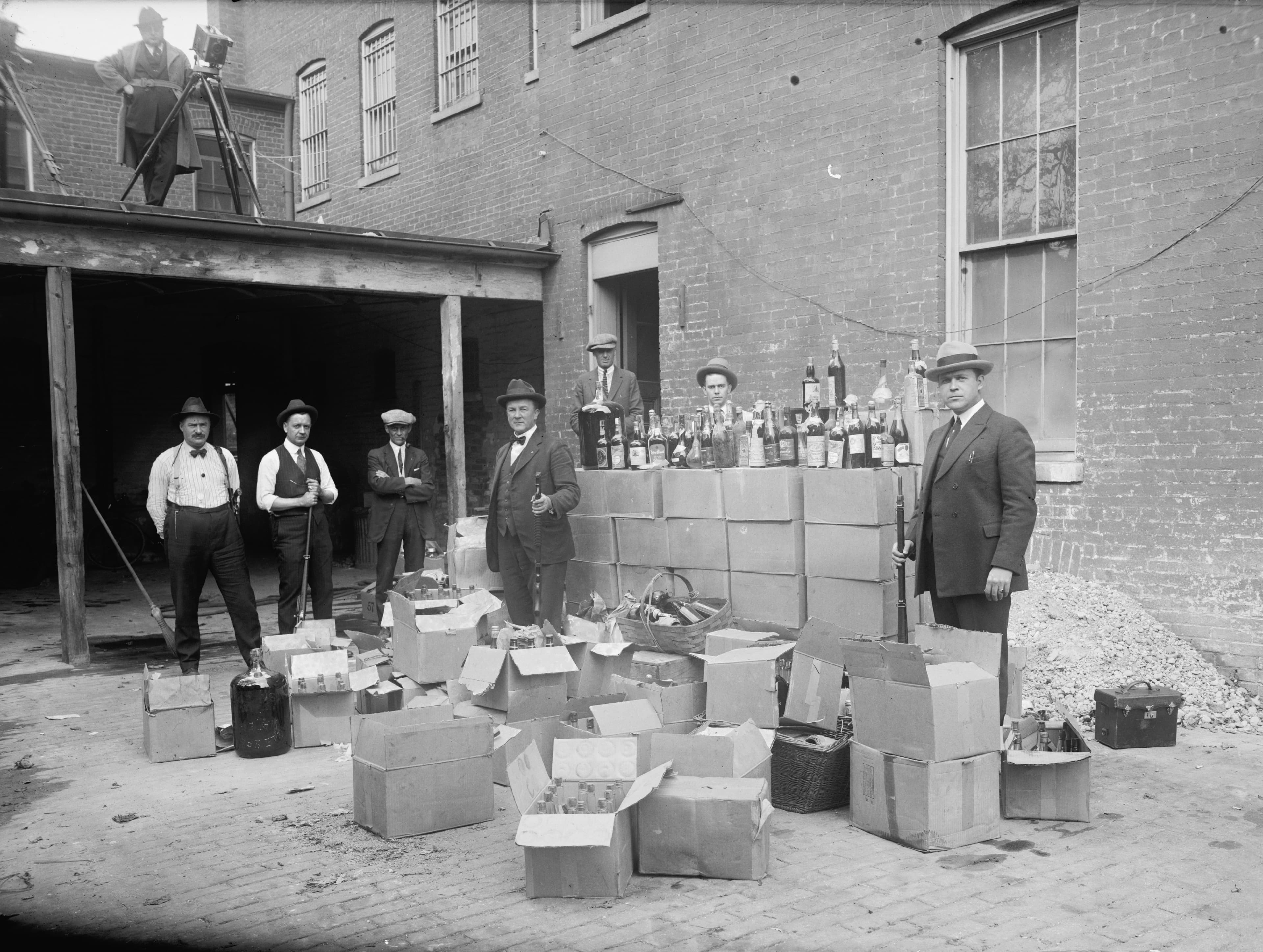 The Lost — mark extinguished
Liquor Raid, 1922
Liquor raid — National Photo Company press photograph
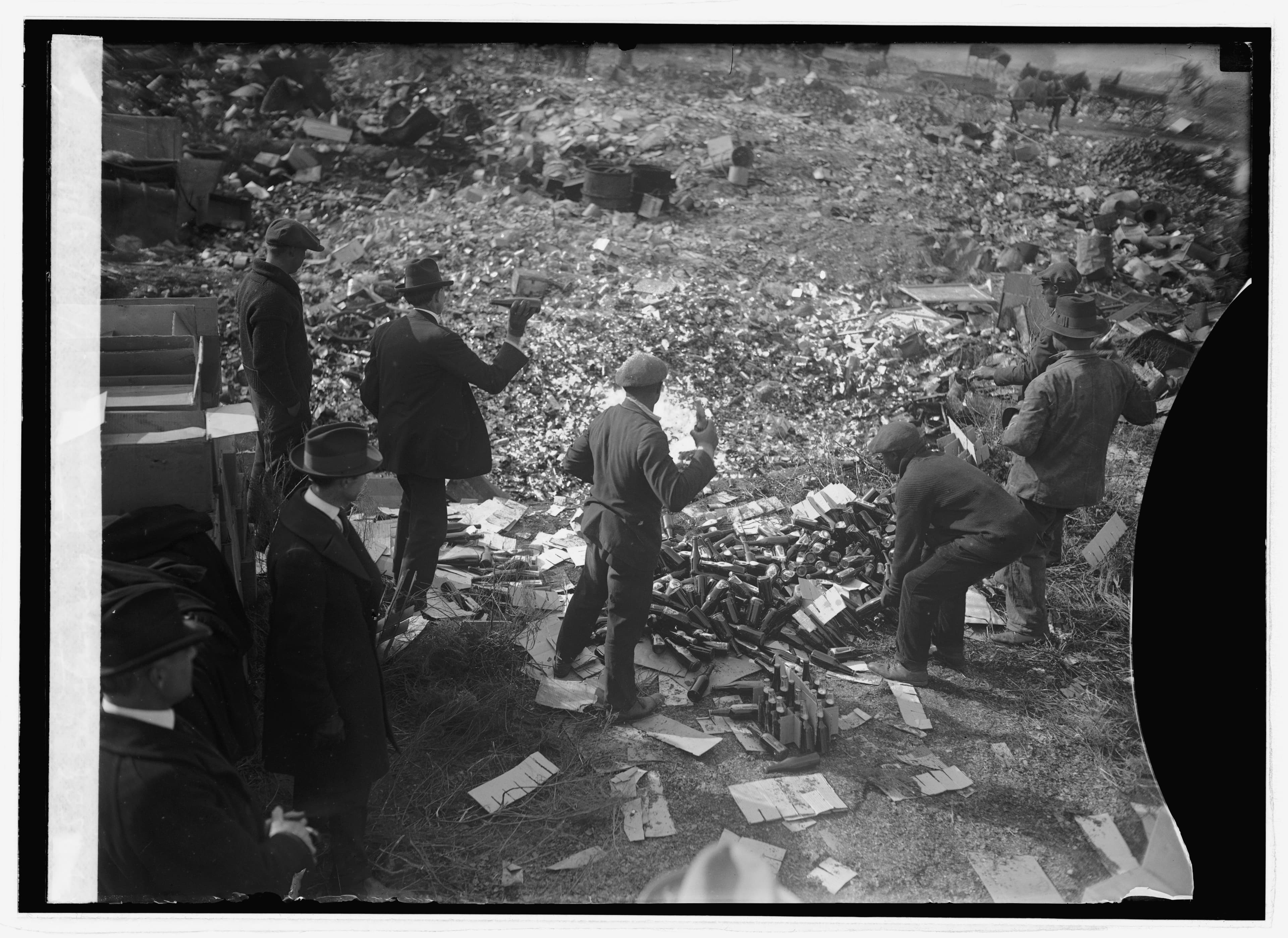 The Lost — mark extinguished
Destroying Liquor, 1923
Destroying liquor — National Photo Company press photograph
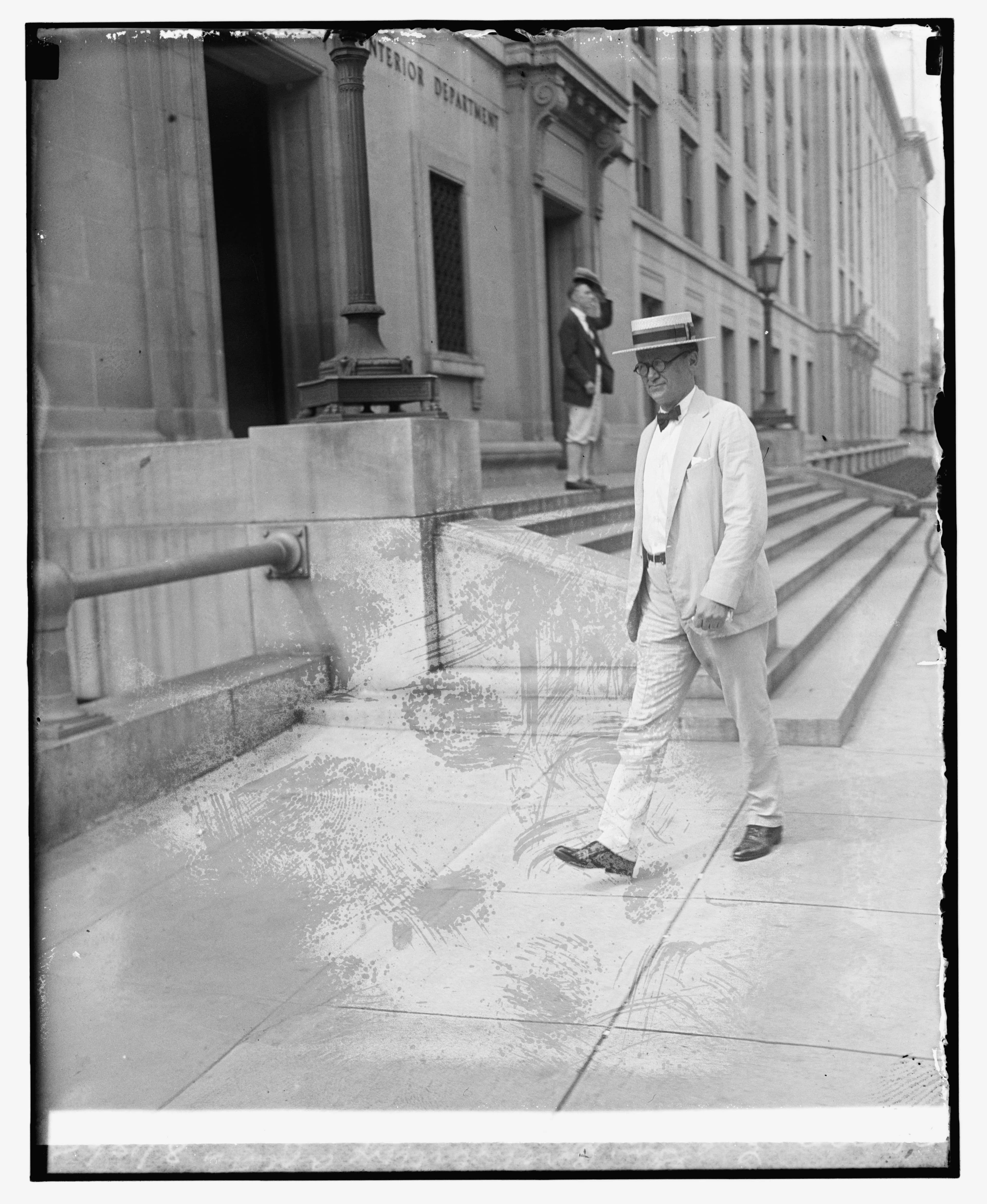 The Lost — mark extinguished
E. C. Yellowly, Chief of General Prohibition Agents, 1925
E.C. Yellowly, Chief of gen. prohibition agents — National Photo Company press photograph
A house of the Provenance family